

How to Stretch Shoes
You've bought a pair you love, and they pinch. Maybe it's one spot across the toes, or a seam that presses in after an hour on your feet. Sending them back feels wrong when they're so close to right. Most shoes will give a little if you work with the material, not against it, and you can usually gain a little room in the width. That's often enough to turn a tight pair into one you'll actually wear. What decides whether stretching will work comes down to two things: what the shoe is made of and exactly where it's tight.
Can you actually stretch shoes?
Yes, you can stretch most shoes a little. The gain is mostly in width, not length, and for home methods you're looking at a little room at most. A cobbler (a shoe repair shop) can do a bit more with a stretching machine. That extra room eases the tight spots and the places where the shoe presses, but it won't make a shoe that's too short any longer. If a pair is a full size too small, stretching isn't the fix. If they're snug in the width or tight over one particular spot, there's a good chance you can make them comfortable.
If it's a new pair, try them on indoors first, on carpet, before you stretch anything. Most shops, us included, only take shoes back in new and unworn condition, so once you've stretched a pair you usually can't return it. If the size or the width is wrong, swap them for the right one instead.
What decides whether a shoe will stretch
The material and the tight spot together determine how far a shoe will give, and the material comes first:
- Leather stretches the most because the fibres loosen with moisture, heat and wear.
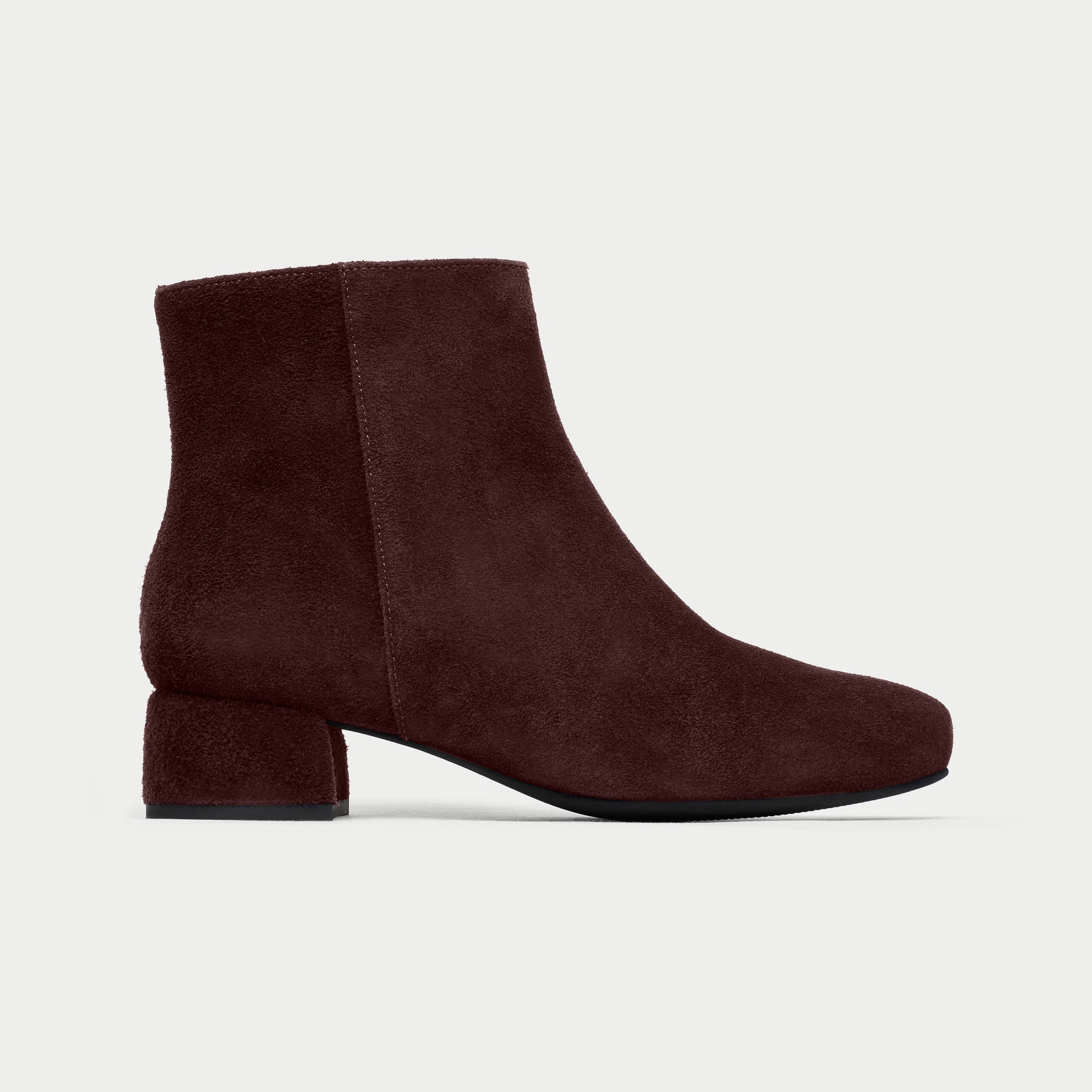
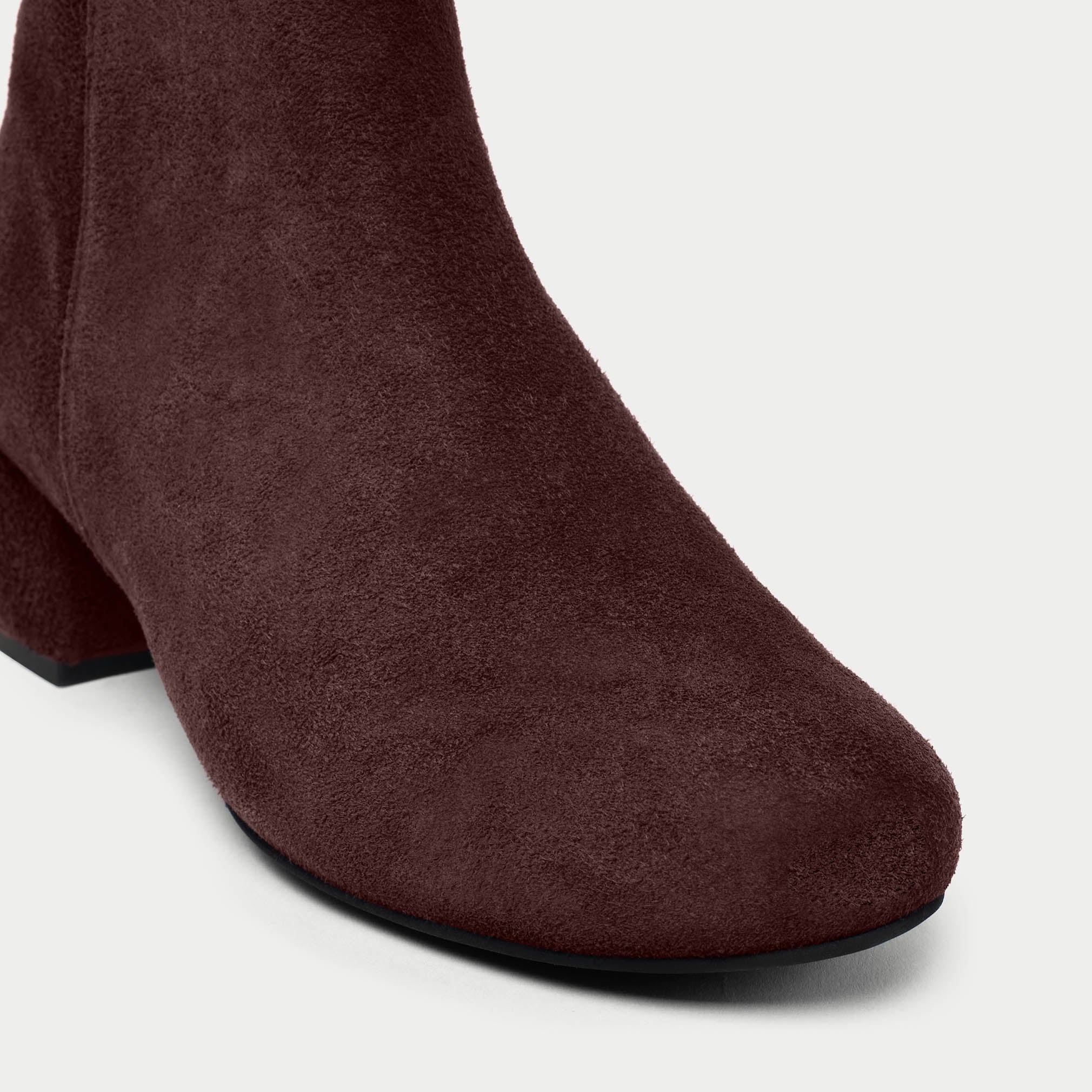
- Suede gives almost as well, sometimes even more easily, though it marks if it gets wet.
- Canvas and fabric move a little with damp stuffing and wear, but they won't stretch as far as leather.
- Synthetic uppers and patent barely give at all, and heat can crack or melt them.
Width across the toes and the forefoot stretches the most readily. The instep, the top of the foot where the shoe passes over the arch, can also give a little. But length is a different story. You can't add meaningful length to a shoe by stretching it, so if your toes are pressing against the end, a bigger size is the answer, not a stretcher.
A leather pair that's a touch tight across the toes after a day's wear will probably soften and give on its own. A pair that hurts the moment you put them on, or that's too short for your foot, won't stretch into the right shoe. The method you choose depends on which it is, and checking your actual width is part of that. Women's shoes come in widths from B (medium, the standard) up to W (wide) and WW (extra wide), and if a pair feels tight across the forefoot, it may simply be the wrong width rather than something you need to stretch.
How to stretch shoes at home
A leather pump responds differently from a canvas sneaker, and a general all-over stretch is a different job from easing one tight seam over a bony spot. In every case, go gently, and you're far less likely to damage the shoe.
Wear them in with thick socks
Pull on one or two thick pairs of socks, put the shoes on, and walk around the house for short sessions over several days. The socks push the shoe open gently from inside, and your body heat helps the material soften and mold. It works best on leather, canvas and slightly tight sneakers. If it hurts more than a mild squeeze, stop. Pain usually means the shoe needs a different size, not more force.
Warm the tight spots with a hair dryer
Wear thick socks, give the tight spot a short blast of hot air from a hair dryer, about 10 seconds, and flex your foot while the material is warm to stretch it into shape. Let the shoes cool down completely while you're still wearing them, and repeat if they need a little more.
Stick to leather and canvas. Synthetic uppers and patent can crack, warp or melt under heat, even at a moderate temperature. If your shoes are leather, condition them afterwards to put the moisture back, because heat dries the fibres out and can leave them stiff or cracked over time.
Use a shoe stretcher and stretching spray
Insert a two-way shoe stretcher, turn the handle to gentle resistance, and follow the instructions that come with it, taking care not to stretch the shoe too far. Check the fit, then increase in small steps if you need more room. A shoe stretcher spray on the inside of the tight area relaxes the leather so the stretcher has more to work with. Always test on a hidden area first, especially on suede or colored leather.
Some stretchers come with spot-stretch plugs that target one tight point, such as the toe box or the area over a bunion. They let you ease exactly where you need it without stretching the whole shoe.
A shoe stretcher and a shoe tree are not the same tool. A stretcher applies outward pressure to widen the shoe. A shoe tree goes inside the shoe between wears to hold its shape.
Stuff them with damp newspaper
Crumple sheets of newspaper until they're damp but not soaking, and pack them firmly into the toe box and any tight spots. Leave the shoes to dry naturally, never under forced heat. As the paper dries it holds the shoe open, and the gentle pressure eases the material outward.
The result is modest, and this method works best on canvas and fabric shoes where the fibres absorb the moisture and then reset. On leather it can work too, but wet newspaper left too long risks leaving marks. Don't soak the paper, ever. Too much water means watermarks and staining, and on suede it can cause real damage.
Stretching the width, not the length
If your shoes are tight, the tightness is almost always a width problem, not a length one. The toe box, the forefoot and the instep can all be stretched outward. Length barely moves at all, because the sole and the construction hold the shoe to a fixed measurement.
When you size up in length to get width, you end up with shoes that are too long. Your foot slides forward, your toes press into the front of the shoe, and you're back to the same problem with extra length you didn't need. The room lands in the wrong place.
It's a frustration I know first-hand, because I have bunions myself. Foot surgeon Mr David Gordon sums it up in his Q&A on our blog:
'The challenge is finding extra room in the right place without having a shoe that's unnecessarily loose everywhere else.'
If it's width you need, aim the stretch at the toe box. A shoe stretcher with a spot plug or a hair dryer on thick socks can both target the forefoot specifically. And if you're stretching because a seam or an upper presses on a bony area, a spot-stretch on that one point often does more good than widening the whole shoe. That's especially true for bunions: the American College of Foot and Ankle Surgeons notes that shoes which crowd the toes can make a bunion worse over time. More room over the bump avoids adding to the pressure.
For feet that need more room across the toes, shoes with a wide toe box are a more reliable fix than stretching a standard pair. If you've been sizing up and wondering why the heel slips, our guide to why going up a size backfires explains what's happening and what to try instead.
How to stretch leather, suede and canvas shoes
Leather
Leather holds its new shape once it's been worked. The thick-socks-and-hair dryer method, a shoe stretcher with spray, or even just wearing them around the house will usually give you the room you need. Afterwards, condition the leather with a balm or cream so it stays soft and doesn't dry out. Our care guide covers what to use and when.
Suede
Suede marks easily, so keep it dry. Don't use the hair dryer method on suede unless you're very careful with the temperature, and never soak it. A suede-safe stretching spray is the safest approach. Test it on a hidden area first, because some sprays can darken the color.
Canvas and fabric
Canvas and fabric won't hold the stretch as well as leather once the material dries, but for a pair that's slightly tight it's often enough. The newspaper method works well here, and so does wearing them with thick socks indoors over a few days.
Getting shoes stretched by a cobbler
A cobbler's stretching machine applies more even, more controlled pressure than any home method. They can usually stretch a shoe further than you can at home, and they can spot-stretch a single tight point, over a bunion or where a seam digs in, without affecting the rest of the fit.
It's worth the trip for expensive leather shoes, rigid pairs that won't give to home methods, or shoes with sentimental value that you don't want to risk. If you've tried the at-home methods and the shoe is still too tight, a cobbler is the next step before giving up on the pair.
Some cobblers also offer repairs that extend the life of the shoe: a new sole, re-stitching, fresh heel tips. If a pair is worth stretching, it's often worth repairing rather than replacing down the line too.
What not to do when stretching shoes
- High heat damages shoes. Holding a hair dryer in one place, using a heat gun, or setting leather near a radiator dries the fibres out and can leave them cracked and brittle. On synthetic uppers and patent, high heat warps, blisters or melts the finish. Keep the heat moving and never use more than a medium setting.
- Soaking a shoe in water or dunking it in the hope that it will stretch as it dries risks watermarks, staining, warped soles and a shoe that smells of damp.
- Forcing a shoe open in one go, cranking a stretcher to its limit straight away or overpacking with thick socks and heat, often overshoots. The material stretches past where you needed it, and then the shoe is too loose. Small, repeated steps are better. Stretch a little, check the fit, then go again if you need more.
- Stretching a shoe that's simply too short. If your toes are pressing against the end of the shoe, no amount of stretching will add the length you need. Stretching gains width, and that's all. A too-short shoe needs a different size, not a different method.
When stretching is not enough: getting the right fit
When a shoe needs more than a little give, the answer is the right size and the right shape from the start. A genuinely wider fit, or a shoe with a wider toe box and a standard heel, solves what stretching only eases. You need width where your foot is widest, not a bigger shoe all round.
Stretching eases the pressure on your foot, but it won't change the shape of it. The UK's NHS is clear that you cannot get rid of bunions or stop them getting worse yourself, and only surgery changes the joint. What the right fit does is take the pressure off so you're not adding to the problem every time you put your shoes on.
The Calla Comfort Method
At Calla, we call this the Calla Comfort Method, a wider toe box paired with a standard heel so the room lands where your foot is widest. Many of our styles also build a soft stretch panel in moleskin into the lining over the forefoot joint, and the toe box is lined in one piece with no internal stitching because skin stretched over a bunion is sensitive to seams. The give is there from the first wear, and you shouldn't need to reach for a shoe stretcher.
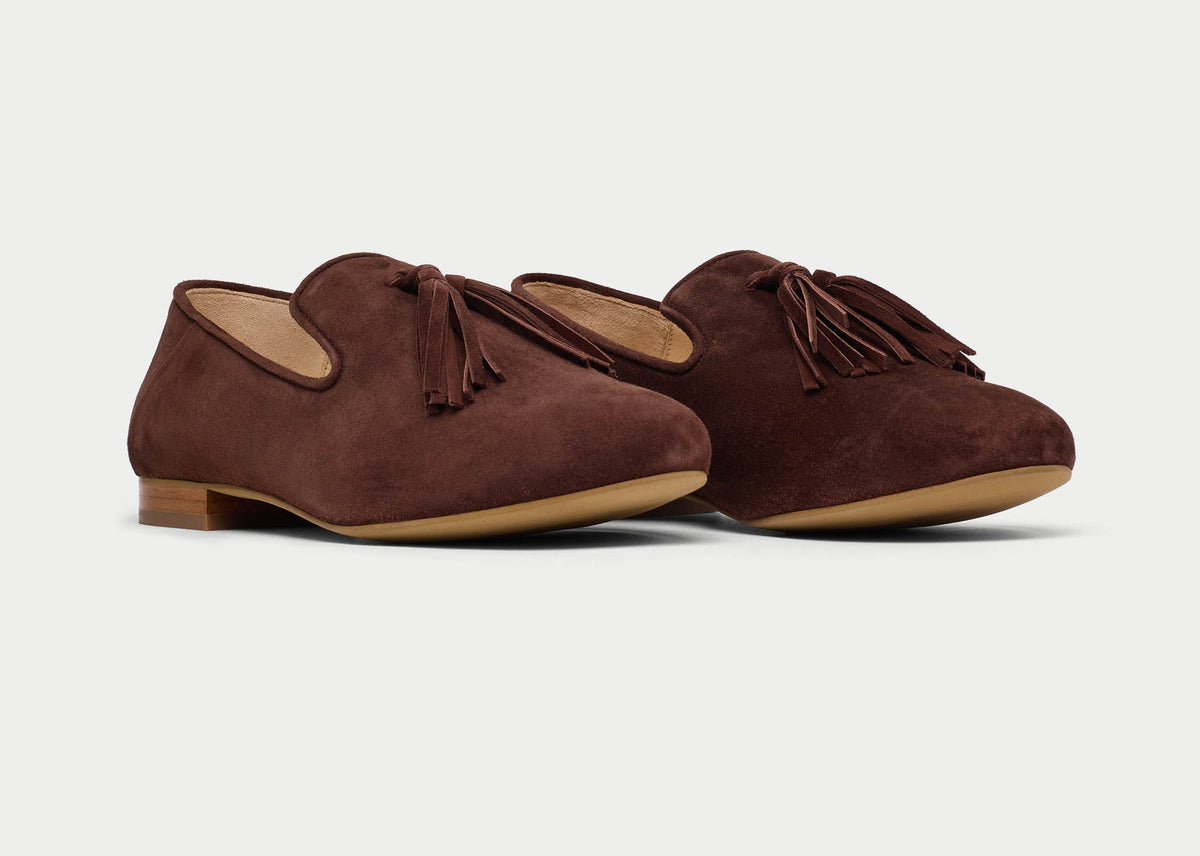
A good example is the Calla Freya Brown Suede Loafer.

We've picked it because it shows the method well: it fits up to WW, with a hidden stretch panel in the toe box, a leather lining, a ⅜-inch (1cm) heel and a cushioned, arch-supported insole. In suede it runs a little big, so size down by a full size. Take a look at the Calla Freya Brown Suede Loafer.
Our Charlotte ballet flat and Meredith loafer have a stretch panel across the toe box too, for women who need extra room without sizing up.
If a pair made wider from the start sounds more like what you need, have a look at our wide width shoes rather than trying to force room into a standard pair. You can also see all our shoes for bunions and wide feet.
And if you have a sore, red or swollen spot over the joint that doesn't ease when you change shoes, please see your doctor or a podiatrist. That's not a stretching problem.
FAQs
Should you stretch your shoes to fit a bunion?
A little, on leather, and only over the joint. A shoe stretcher spray, a bunion stretcher or a cobbler can ease a leather shoe that presses on one spot. But if a shoe pushes on your bunion from the first wear, stretching rarely fixes it, because the problem is the shape and width of the toe box. If you've been stretching every pair you buy, that's a sign you need a wider width, not more stretching.
How do you stretch shoes overnight?
Leave a shoe stretcher in overnight at gentle pressure, or pack the toe box firmly with damp newspaper and let it dry naturally. Both methods work while you sleep, and you check the fit in the morning. The stretcher gives the most control, and the newspaper is the gentlest.
How can I stretch my shoes quickly?
Thick socks and a hair dryer are the fastest combination. Put on one or two thick pairs of socks, give the tight spot a short blast from a hair dryer, about 10 seconds, flex your foot while it's warm, and keep the shoes on until they cool. The whole process takes about ten minutes. A stretching spray on the inside of the shoe beforehand speeds things up. The stretcher and newspaper methods need hours, so they're not quick fixes, but they give a more lasting result.
Can you stretch synthetic shoes?
Only a little. Synthetic materials and patent barely give, even with heat or a stretcher, and too much heat can crack, warp or melt them. If you try, go very gently: a shoe stretcher at low tension over a couple of days is the safest bet, but don't expect much. For synthetic shoes, a roomy shape from the start is a more reliable answer than trying to force one afterwards.

Leave a comment
This site is protected by hCaptcha and the hCaptcha Privacy Policy and Terms of Service apply.